







No gym, no machines, no treadmills. Just your body, the floor, and the right method. Contrary to popular belief, equipment is rarely what makes the difference in abdominal development. What makes the difference is the quality of the exercises, consistency in practice, and understanding what you are actually working. This guide gives you the best techniques to strengthen your abs without any equipment—and the physiological reasons why they work.
The benefits of abdominal strengthening without equipment
A flatter, firmer stomach
Abdominal strengthening without equipment, when done correctly, simultaneously develops the four muscle groups of the core: the rectus abdominis (the six-pack), the internal and external obliques (the muscles that wrap around your sides), and especially the transversus abdominis—the deepest muscle, the one that compresses the abdomen and gives it that flat, toned look. This is precisely the muscle that traditional gym machines neglect the most. Yet, this is what makes the difference between a soft stomach and a firm one, regardless of body fat percentage.
Studies cited in sports medicine guides confirm that bodyweight exercises, when executed correctly, produce abdominal muscle activation comparable to or greater than that achieved with machines. The lack of equipment is not a handicap: it is an opportunity to work the muscles in a more functional and complete way.
Better posture and fewer lower back pains
The French National Authority for Health (HAS) recognizes that strengthening the core is one of the most effective preventive measures against chronic lower back pain. Strong abdominal muscles—especially the transversus and obliques—act as a natural muscle corset that supports the spine and reduces the load on the intervertebral discs. Regular sessions of core stability and functional abdominal exercises can significantly reduce the frequency and intensity of back pain in the months that follow.
Fast and lasting results
The speed of early results with bodyweight abdominal strengthening often surprises beginners. Within two to three weeks of regular practice, muscle tone increases noticeably—not necessarily visible to the naked eye, but felt: the stomach is firmer to the touch, posture straightens naturally, and daily movements become easier. The sustainability of these results, when the practice is maintained, is also superior to that obtained with machine exercises.
Errors to avoid when wanting to tone your abs
Doing only crunches
The classic crunch is the most well-known abdominal exercise—and one of the least effective for complete strengthening. It primarily targets the upper segment of the rectus abdominis, leaving the transversus and obliques virtually inactive. Worse, a poorly executed crunch can aggravate neck and lower back pain. If you only do crunches, you are perhaps working 20% of your core.
Forgetting the transversus abdominis
The transversus is the most important and most neglected muscle of the core. It does not flex the trunk like the rectus abdominis, nor does it rotate it like the obliques: it compresses it. It is what pulls the stomach in and maintains standing posture. To activate it, you must engage it consciously: imagine pulling your navel toward your spine. This preliminary activation, called abdominal bracing by physical therapists, must precede any abdominal exercise to be truly effective.
Skipping nutrition
Abs are 70% made in the kitchen. You can perform thousands of perfect exercise repetitions: if your diet creates a caloric surplus, subcutaneous fat will cover the muscles and make them invisible. According to recommendations from ANSES, sufficient protein intake (1.2 to 1.8 g per kg of body weight) and a slight caloric deficit (300 to 400 kcal below maintenance) are the two dietary levers that allow for both muscle strengthening and the reduction of abdominal fat.
The best abdominal exercises without equipment
The classic plank
The front plank is the king of isometric exercises for the core. In the plank position, the body forms a straight line from head to heels, supported by the forearms and toes. For the exercise to be effective, the position must be rigorous: hips neither too high nor too low, eyes fixed on the floor, body perfectly aligned. The target duration for a beginner is 20 to 30 seconds per set. For an experienced athlete, 60 to 90 seconds. Do 3 to 4 sets with 45 seconds of rest in between.
The dynamic variation—the plank with alternating shoulder taps—adds an anti-rotation component that intensely engages the obliques. It is one of the most effective progressions once the static plank is mastered.
Mountain climbers
One of the most complete exercises for the core. In a high plank position (arms extended), bring each knee toward your chest alternately while keeping the hips stable and the back flat. At a moderate speed, it is an excellent abdominal strengthening exercise. At high speed, it also becomes an effective cardiovascular exercise that burns calories while maintaining abdominal contraction. The key to this exercise: do not let the hips rise during the movement.
The hollow body hold
Borrowed from artistic gymnastics, the hollow body hold is the most difficult isometric exercise for the core. Lying on your back, lift your shoulders and legs slightly off the floor while keeping your lower back pressed to the floor. This position creates maximum tension throughout the core, especially the transversus. Start with 10 to 15 seconds and progress toward 30 to 45 seconds per set.
The vacuum (hypopressive breathing)
The vacuum is a little-known but extremely effective exercise for working the transversus deeply. Exhale all the air from your lungs, then pull your stomach in as far as possible toward your spine and hold this position for 10 to 15 seconds while holding your breath. Release and repeat. This exercise, practiced in 3 sets of 5 repetitions in the morning on an empty stomach, produces remarkable results on stomach tone in 4 to 6 weeks. It is particularly recommended for postpartum women looking to close abdominal diastasis.
Side plank
The side plank is the reference exercise for the obliques. Lying on your side, the body is supported by one forearm and the edge of the lower foot, forming a perfect diagonal line. The hips should neither sag downward nor rise too high. Hold for 20 to 40 seconds on each side, making sure that both sides work in a balanced way.
For beginners: laying a solid foundation
If you are starting out, the priority is first mastering breathing and transversus activation before doing intensive sets. Start with 5 minutes of conscious abdominal breathing (inhaling while pushing the stomach out, exhaling while pulling it in) to relearn how to use your diaphragm and transversus correctly. Then, introduce planks and side planks with short durations (10-15 seconds) and increase by 5 seconds per session.
For athletic profiles: intensity, variety, and precision
If you are already active, the challenge is not quantity but precision and variety. Work each abdominal muscle group specifically: rectus abdominis (hollow body hold, hanging leg raises), obliques (dynamic side plank, Russian twist), transversus (vacuum, dead bug). Introduce instability: placing one hand on a tennis ball during a plank increases abdominal recruitment by 20 to 30% compared to a classic plank.
Why do results sometimes take time to show?
The question often comes up: I have been doing abs every day for a month, why doesn't it show? The answer is almost always the same. Either the abdominal muscles are strengthening correctly but the overlying layer of fat prevents them from being seen—in this case, diet is blocking the result. Or the exercises do not engage the right muscles (too many crunches, not enough planks)—in this case, the method is blocking it. Or recovery is insufficient—in this case, the muscles do not have time to rebuild stronger.
What results to expect after 4 to 8 weeks?
With regular practice of 4 sessions per week (20 to 30 minutes per session), combined with a reasonable diet, here are the typical results observed. At the end of week 2: better muscle tone perceptible to the touch, straighter posture, less lower back fatigue. At the end of week 4: first visual changes if body fat allows, feeling of a firmer and more held-in stomach. At the end of week 8: significant muscle strengthening, visible abdominal definition in people with low to moderate body fat, measurable improvement in overall athletic performance.
The role of the abdominal belt in a no-equipment program
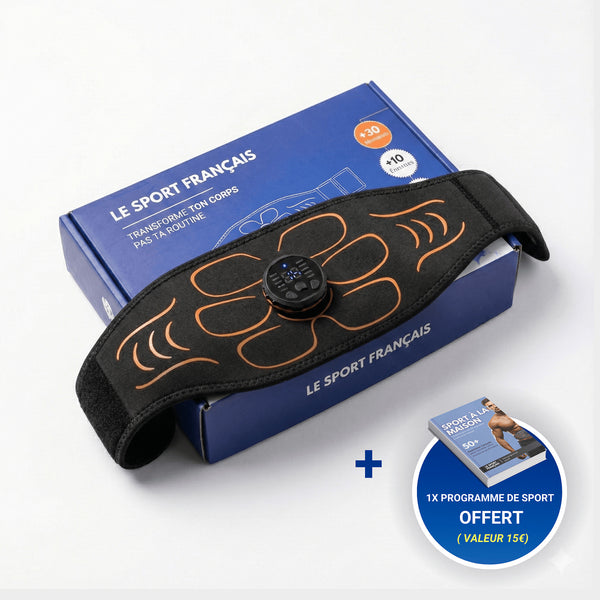
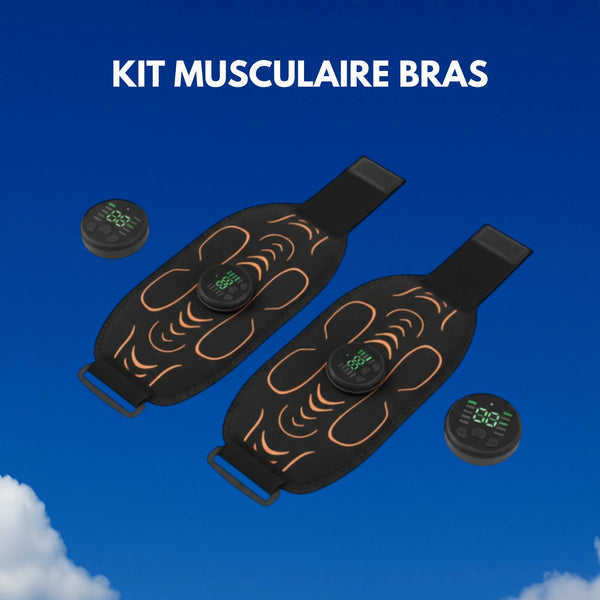
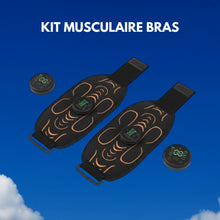
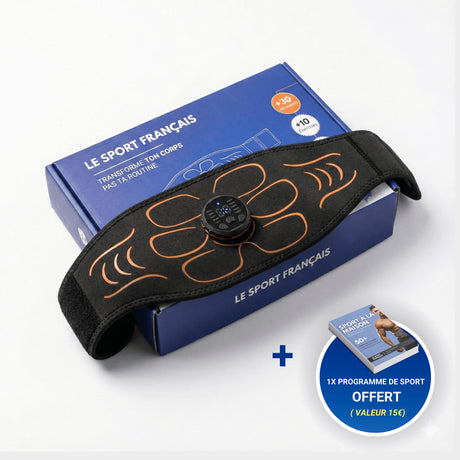
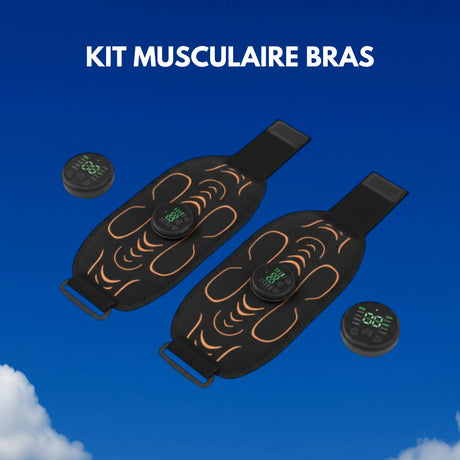
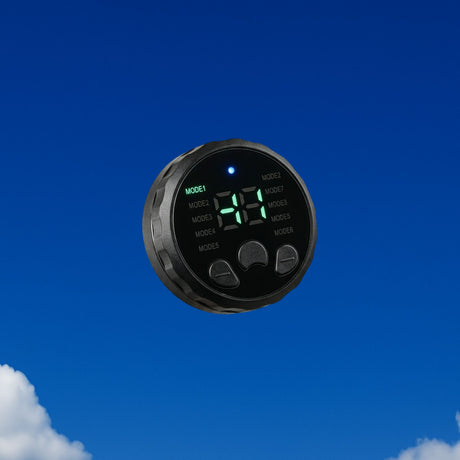
One of the best supplements to a no-equipment ab program is the EMS abdominal belt. By directly targeting the transversus and deep abdominal muscles through electrostimulation, it amplifies the effects of voluntary exercises. The ideal combination: a 20-minute EMS session in the morning (while having coffee or in the shower), followed in the evening by a 20 to 30-minute session of core and functional exercises. This dual stimulation—involuntary via EMS in the morning, voluntary and conscious in the evening—maximizes muscle recruitment and accelerates physiological adaptations.
No need for equipment, but need for a method
The conclusion is clear: toning your abs without equipment is not only possible but often more effective than using machines. The key is the method—quality of execution, diversity of exercises, regular progression, and consistency in practice. Start simple, progress regularly, and maintain the effort for 8 to 12 weeks: the results will follow.
To go further, check out our articles on the transversus program for a flat stomach and on the effective use of the EMS belt.