








What you eat before and after training directly conditions the quality of your performance and the speed of your recovery. It is one of the most powerful and underutilized levers for amateur athletes. This comprehensive guide explains, with a solid physiological foundation, what to eat and when to get the most out of every session.
Part 1: The pre-workout meal
The goal of the pre-workout meal is twofold: to provide the energy required for the effort (muscle and liver glycogen), and to preserve muscle mass during the effort (protein intake to prevent catabolism). The challenge is also to choose foods that will not weigh on your stomach during the session.
Nutritional recommendations from ANSES for active individuals suggest a carbohydrate intake of 4 to 7 g per kilo of body weight per day for endurance athletes, and 3 to 5 g/kg for strength sports. These carbohydrates should primarily be of low to medium glycemic index before exercise to ensure stable energy and avoid mid-session crashes.
Pre-workout meal timing
3 to 4 hours before exercise: full meal (complex carbohydrates + proteins + low fat). Example: brown rice or pasta + chicken or fish + vegetables. 1 to 2 hours before: light snack (simple carbohydrates + proteins). Example: banana + cottage cheese, or Greek yogurt + oats. 30 minutes before: if necessary, an isotonic drink or a date.
What to absolutely avoid
Meals high in fat or fiber within 2 hours before exercise: they slow down digestion and cause gastrointestinal discomfort during training. Training while fasting can be effective for fat loss in light cardio, but is counterproductive for strength or HIIT sessions.
Part 2: The post-workout meal
The hour following exercise is the anabolic window: the period when muscles are most receptive to protein synthesis. Managed well, this window can increase muscle growth by 25 to 40% compared to neglected post-workout nutrition. The post-workout goal: replenish glycogen stores (fast-acting carbohydrates immediately after), initiate protein synthesis (20 to 30 g of high-quality protein within 30 to 60 minutes), and start anti-inflammatory recovery (antioxidants).
The ideal post-workout meal
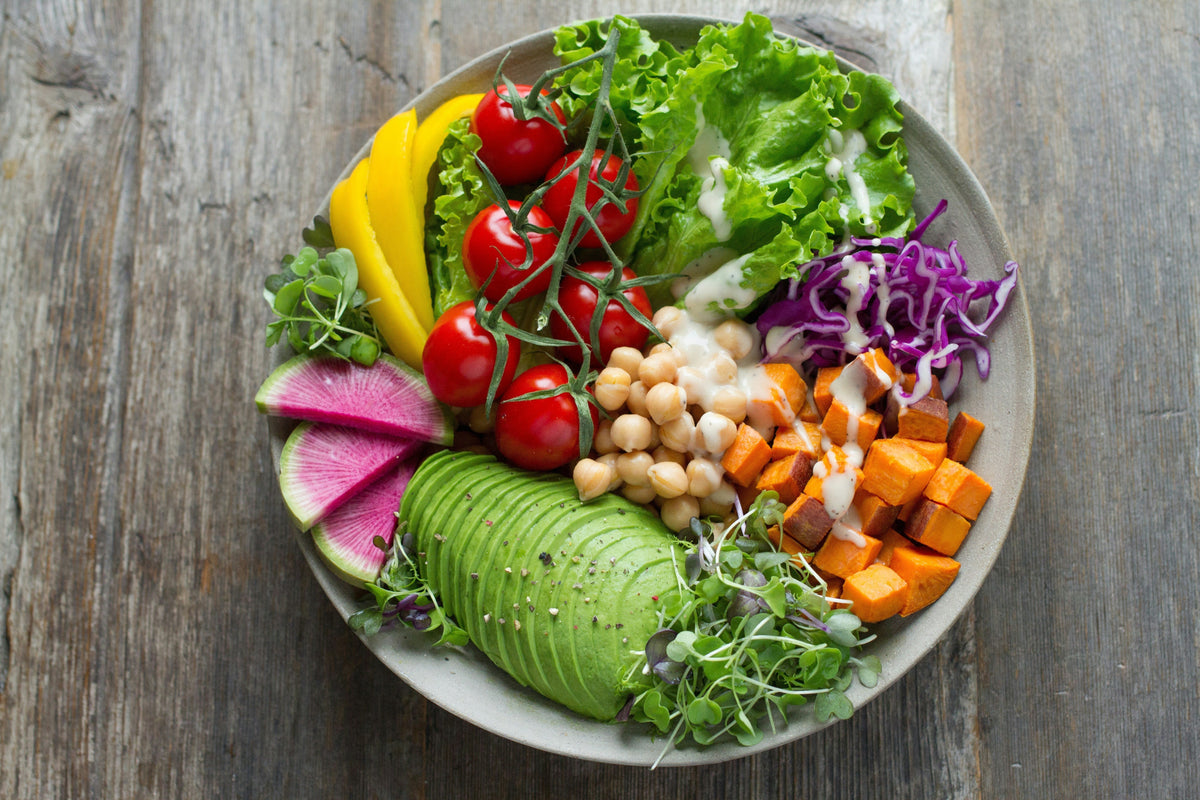
Within 30 to 60 minutes: shake or snack with 20-30 g of protein (whey, 0% fat cottage cheese, two eggs) + fast-acting carbohydrates (banana, white bread, white rice). Within 2 hours: full meal (rice or potatoes + meat or fish + colorful vegetables for antioxidants). Avoid excess fat in this meal (it slows down the absorption of proteins and carbohydrates).
Anti-inflammatory foods to prioritize
Certain foods specifically accelerate recovery by reducing post-workout inflammation: cherries or tart cherry juice (clinically proven to reduce muscle soreness), turmeric (anti-inflammatory curcumin), ginger (analgesic effect), fatty fish (anti-inflammatory omega-3s), and red fruits (antioxidants). Integrate 2 to 3 of these foods into your post-workout meal regularly.
Part 3: Hydration, the foundation of everything
Athletic performance is directly linked to hydration status. Dehydration of just 2% of body weight reduces performance by 10 to 20%, according to sports medicine data. Before exercise: 500 ml of water in the 2 hours preceding training. During: 150 to 250 ml every 15-20 minutes (adapted to heat and intensity). After: 1.5 times the weight lost in sweat (weigh yourself before and after to assess).
Optimizing recovery
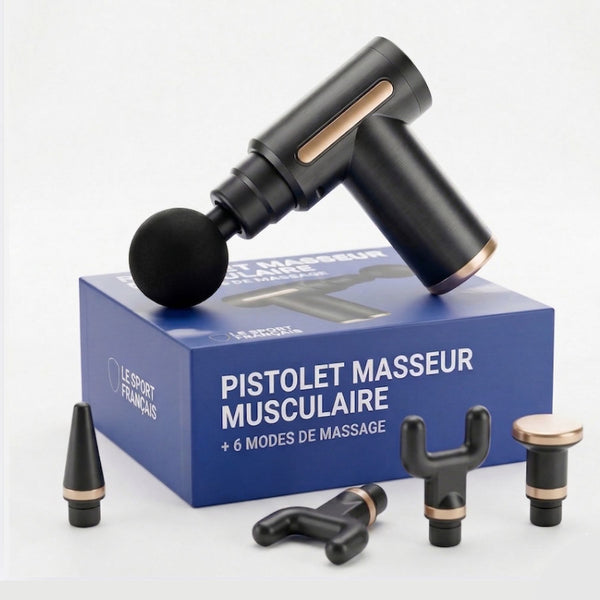
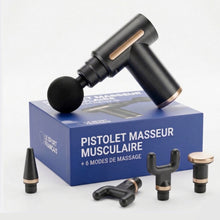
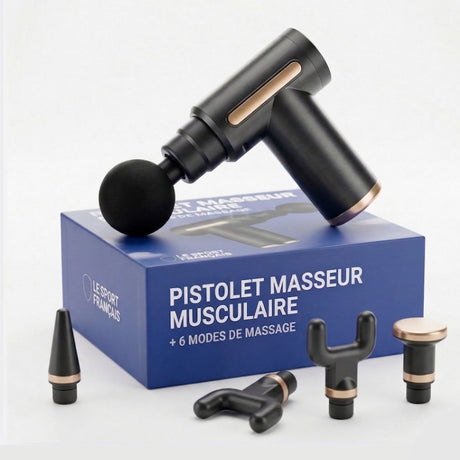
Recovery is not limited to nutrition. Sleep is the #1 factor for muscle recovery: it is during deep sleep phases that growth hormone is secreted and muscle protein synthesis is maximal. Aiming for 7 to 9 hours of sleep on nights following intense training is non-negotiable for optimal progress. Massage guns and cold baths accelerate recovery by reducing local inflammation and improving blood circulation.
Conclusion
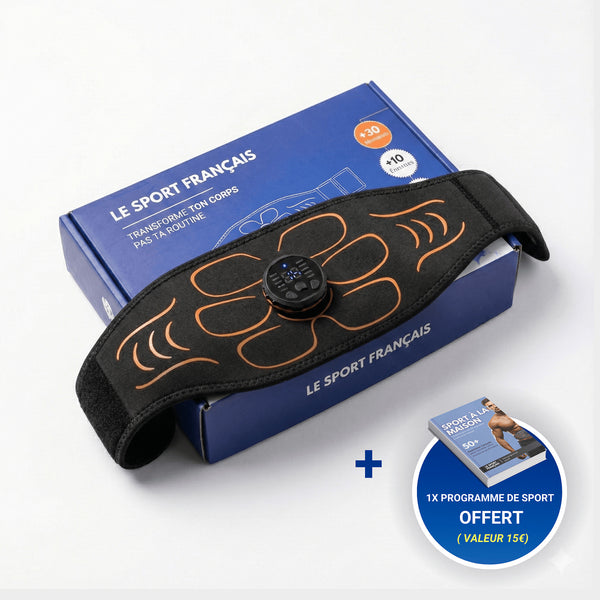
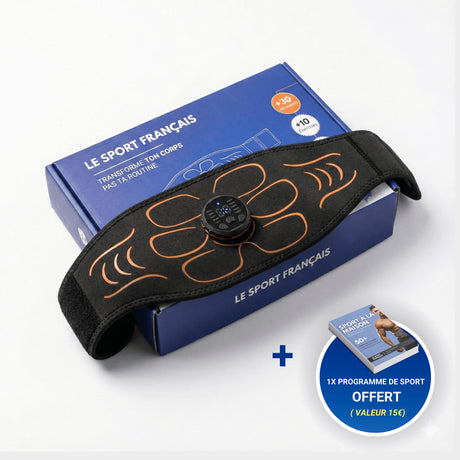
Sports nutrition is not complex, but it is often neglected. By applying these principles — adapted pre-workout meals, the post-workout anabolic window, consistent hydration, and sufficient sleep — you can improve your performance and results by 20 to 40% without changing your training program. To maximize abdominal strengthening in particular, combine these nutritional tips with the Le Sport Français EMS Abdominal Belt and a structured core training program.
To supplement this, consult our articles on how to lose belly fat quickly and on the 7-day flat belly diet.