







Core stabilization is the most comprehensive, safest, and most effective abdominal discipline for developing a strong core, good posture, and a healthy back. These 10 exercises, ranging from beginner to advanced level, form a complete program that you can practice anywhere, without any equipment.
Why is core stabilization so important?
Core stabilization, or isometric exercise (without movement), engages the abdominal muscles by keeping them under constant tension, without the compression and flexion stresses produced by exercises like the crunch. This sustained tension develops the muscular endurance of the core—its ability to keep the spine stable all day long. The French National Authority for Health (HAS) recognizes core stabilization and spinal stabilization exercises as a validated therapeutic approach for preventing and treating chronic lower back pain.
Comfortable equipment for a successful session
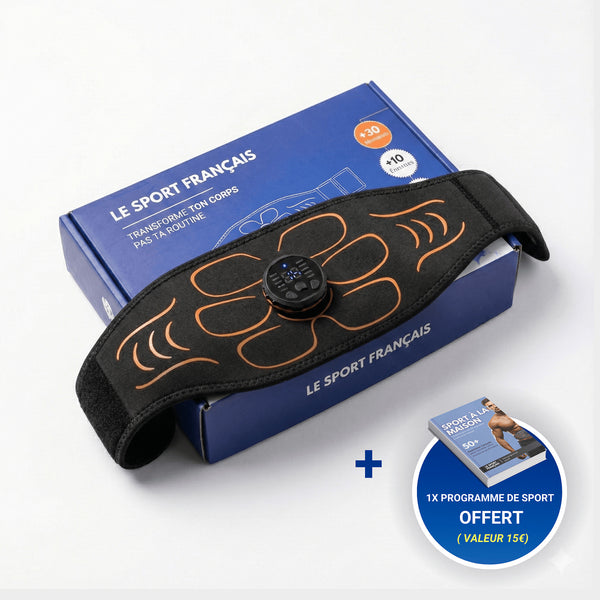
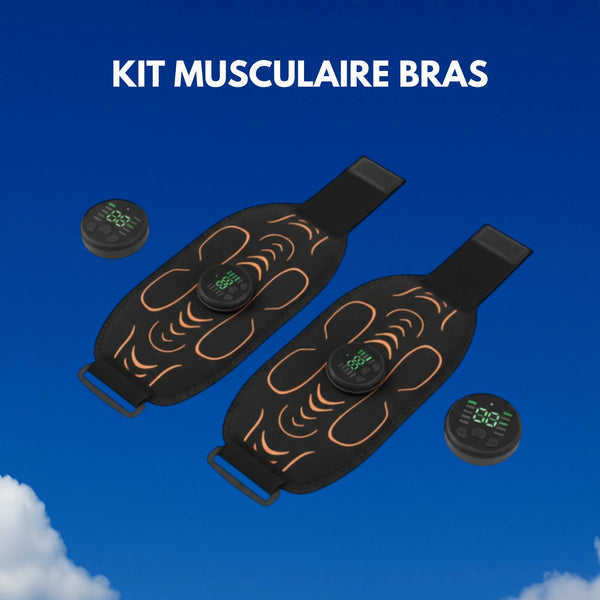
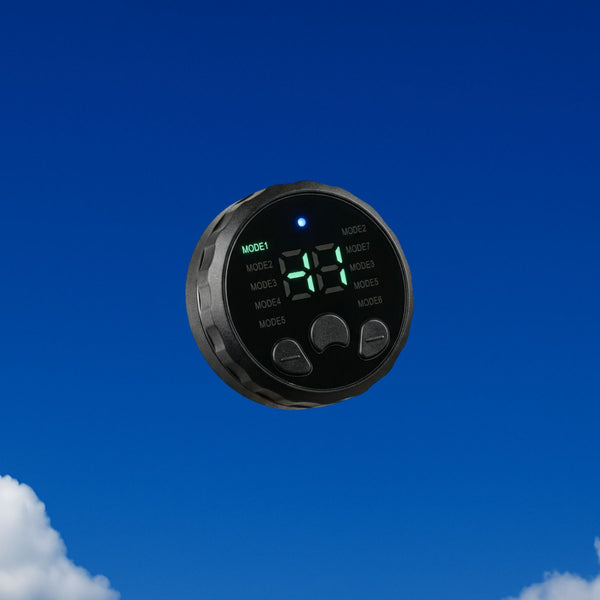
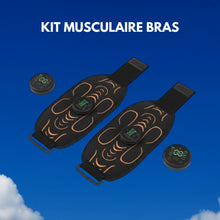
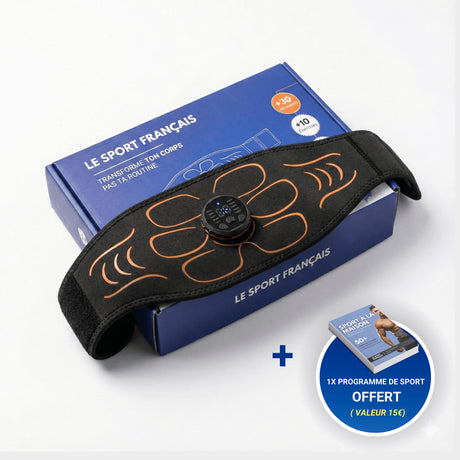
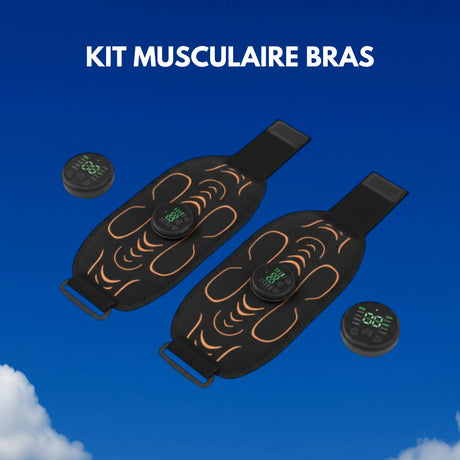
A floor mat of at least 6-8 mm is recommended to protect elbows and knees during floor positions. Clothing that allows complete freedom of movement is essential. The Le Sport Français EMS Abdominal Belt can be worn during core stabilization exercises to amplify transverse muscle work: continuous EMS stimulation during isometric positions creates a dual signal that maximizes deep muscle activation.
The ideal tool to accelerate your progress
The combination of core stabilization + EMS produces results significantly superior to either approach alone. Wear the EMS belt during your core stabilization sessions and see the difference in terms of muscle control.
The 10 core stabilization exercises (instructions and durations)
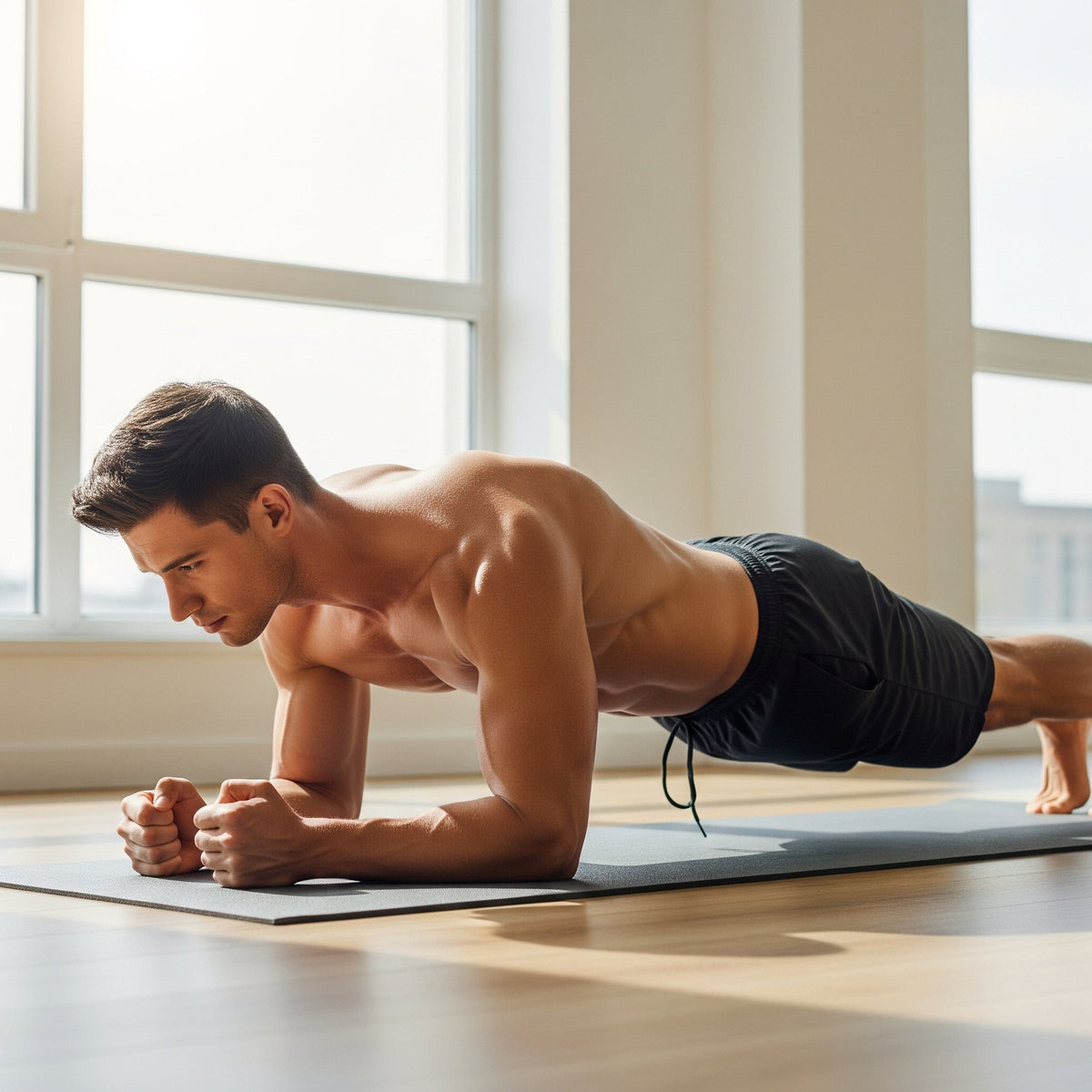
1. The Plank
Position: forearms on the floor (elbows under shoulders), body in a straight line from head to heels, gaze toward the floor. Activation: draw your navel toward your spine, tighten your glutes, engage your quadriceps. Duration: 20 to 60 seconds depending on level. Sets: 3 to 4. Mistake to avoid: hips too high or too low, arched back.
2. The Side Plank
Position: on one forearm, body in a diagonal line, feet stacked or apart. The hip must not sag toward the floor. Duration: 20 to 40 seconds on each side. Sets: 3. Primarily targets the obliques and quadratus lumborum.
3. The Glute Bridge
Lying on your back, knees bent. Raise the pelvis while squeezing the glutes. Body in a straight line from shoulders to hips to knees. Hold for 2 seconds at the top, lower down in a controlled manner. 15 repetitions, 3 sets. Works the glutes, hamstrings, and lumbar stabilizers.
4. The Superman
Lying on your stomach, arms extended in front. Simultaneously lift your arms and legs off the floor. Hold for 3 seconds, lower back down. 10 repetitions, 3 sets. Excellent for the erector spinae and glutes—muscles often neglected by programs focused solely on the anterior abdominals.
5. The Hollow Hold
Lying on your back, shoulders and legs slightly raised, lower back on the floor. Body in a "banana" shape. Hold for 15 to 40 seconds. 3 sets. Maximum activation of the transverse and rectus abdominis in co-contraction. Advanced exercise, harder than it looks.
6. The Bicycle Crunch
Lying down, hands behind your head, shoulders raised. Bring your right knee toward your chest while simultaneously turning your left elbow toward it. Alternate in a slow and controlled pedaling motion. 15 alternations, 3 sets. Very effective for rotating the obliques.
7. The Bird-Dog
On all fours, back horizontal. Simultaneously extend your right arm and left leg. Hold for 3 seconds, then alternate. 10 repetitions on each side, 3 sets. A fundamental anti-rotational stabilization exercise. Ideal for people with a history of lower back pain.
8. Leg Raises
Lying on your back, legs straight. Activate the transverse (navel to spine), then lift and lower your legs slowly. The lower back MUST stay on the floor at all times. If your lower back lifts, bend your knees slightly. 10 to 12 repetitions, 3 sets. Targets the lower rectus abdominis.
9. The Reverse Plank
Sitting, legs straight in front of you. Hands on the floor behind you. Lift your hips until you form a straight line from shoulders to hips to feet. Hold for 20 to 40 seconds. 3 sets. Works the posterior chain (hamstrings, glutes, erectors) while stabilizing the core.
10. The Russian Twist (without weights)
Sitting, knees slightly bent, feet off the floor, torso tilted at 45 degrees. Slowly turn your torso from one side to the other, hands clasped. 20 rotations, 3 sets. Excellent for obliques and rotational core stabilization.
Conclusion
These 10 exercises cover all abdominal muscle groups: transverse (plank, hollow hold), obliques (side plank, bicycle crunch, Russian twist), rectus abdominis (leg raises, hollow hold), and posterior muscles (superman, reverse plank, bird-dog). Do 4 to 5 of these exercises per session, 4 times a week. For accelerated results, add the EMS belt during your sessions.