







You placed the belt on your abdomen, turned up the intensity, and your abdominal muscles contracted without you deciding to do so. What exactly happened? Understanding how an EMS electrostimulation belt works helps you adjust it better, place the electrodes correctly, and know what to expect from it session after session. This guide focuses on physiology and signal parameters: motor nerve, fiber recruitment, frequency, pulse width, ramps, and contraction/rest times.
We are not repeating the comparison of technologies or the full summary of effectiveness here: for that, consult our pillar guide on the abdominal electrostimulation belt. Here, we open the hood.
What happens in the muscle when the belt is turned on?
A muscle never contracts on its own. In everyday life, the order starts from the motor cortex, travels down the spinal cord, and then follows a motor nerve to the motor endplate. There, an electrical discharge triggers the release of acetylcholine, which causes the actin and myosin filaments to slide: the fiber shortens.
An EMS belt short-circuits the first part of this journey. Its electrodes deliver a low-intensity current through the skin that depolarizes the terminal branches of the motor nerve located under the electrode. The nerve does not distinguish between an order from the brain and a stimulus from the outside: it transmits, and the muscle contracts. This is why we speak of involuntary, or evoked, contraction.
The current stimulates the nerve, whose excitation threshold is much lower than that of the muscle: this is what makes EMS tolerable. The EMS abdominal muscular belt exploits exactly this principle: it does not "replace" your brain, it gives it a helping hand on a specific area.
Why does EMS recruit fibers differently than exercise?
During a voluntary effort, the nervous system applies the size principle: it first activates small slow motor units (type I fibers, endurance), then large fast units (type II fibers) as the required force increases.
Under electrostimulation, this order is not respected. A review published in Physical Therapy (Gregory and Bickel, 2005) shows that recruitment is non-selective: motor units are activated randomly, depending on their distance to the electrode rather than their size. Fibers near the surface are engaged first, regardless of their nature. Two practical consequences follow from this.
First, EMS can activate fast fibers at force levels where a voluntary effort would not yet have mobilized them. Second, it fatigues the muscle faster: the same motor units are engaged with each pulse, without the natural rotation organized by the brain. This is why rest times between contractions are essential, as we will see below.
EMS or TENS: what is the difference?
Both technologies send current through electrodes, but they do not target the same fibers. TENS (transcutaneous electrical nerve stimulation) targets sensory fibers to modulate pain perception; it does not seek to induce contraction. EMS (electromyostimulation, also called NMES) targets motor fibers to cause a visible contraction. Therefore, a TENS device does not strengthen the abdominal wall, and the reverse is also true.
The signal parameters, explained simply
An EMS belt does not deliver a direct current, but a series of brief pulses. Four settings define what the muscle feels.
Frequency (Hz): the speed of the pulses
The frequency indicates the number of pulses per second. Below about 10 Hz, each pulse causes an isolated twitch: this is the range of so-called massage or recovery programs. Between 20 and 30 Hz, the twitches begin to fuse. Beyond that, the contraction becomes tetanic, meaning sustained and smooth, as during a plank. Literature on NMES (Maffiuletti, 2010, European Journal of Applied Physiology) places most strengthening protocols between 30 and 100 Hz, with fatigue increasing alongside frequency.
Pulse width (µs): the duration of each pulse
Expressed in microseconds, it determines the amount of charge transmitted with each pulse. Longer pulses (200 to 400 µs) recruit more motor units for the same intensity and are generally better tolerated at equal force. On a consumer belt, this parameter is most often predefined by the chosen mode.
Intensity (mA): the parameter you control
This is the setting accessible on the control unit, in the form of levels. The higher the intensity, the deeper the electric field penetrates and the greater the number of motor units recruited. The goal of a strengthening session is to clearly exceed the motor threshold, while remaining below the pain threshold. It is intensity, not duration, that most conditions strength gains in NMES (Maffiuletti, 2010).
Ramps and contraction/rest times
A good belt does not send the contraction all at once: it gradually increases the intensity over one to two seconds (ramp-up), maintains the contraction for a few seconds, then decreases it (ramp-down). The contraction/rest ratio, for example 5 seconds of work for 10 to 15 seconds of pause, gives the motor units time to recover. Without sufficient rest, the contraction force collapses after a few minutes.
Where to place the electrodes for an effective contraction?
The current follows the path of least resistance between two electrodes. The muscle located between them, or just underneath them, is the one that works. Poor placement results in a weak contraction despite high intensity.
Rectus abdominis and obliques
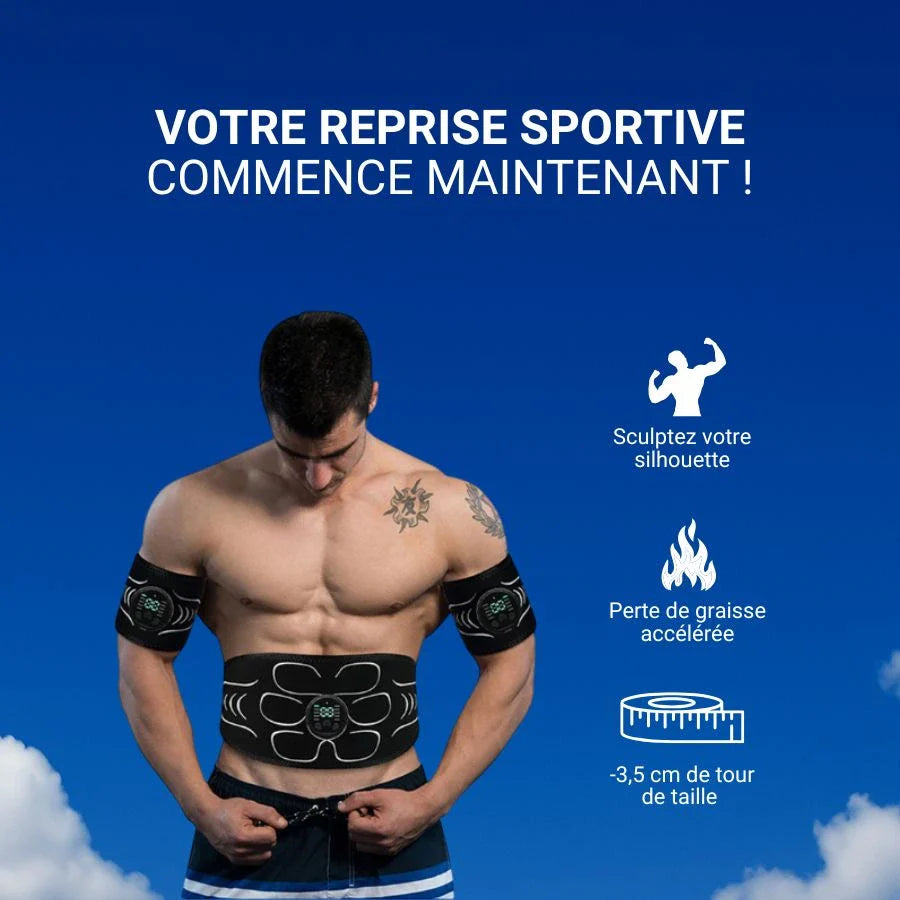
On a belt, the central electrodes should be on either side of the linea alba, roughly at navel level, to cover the rectus abdominis. The lateral electrodes are positioned on the flanks, facing the obliques. Tighten the belt until you feel firm, uniform contact, without restricting breathing. An electrode that lifts off concentrates current on a small surface: the number one cause of discomfort.
Skin, gel, and conductivity
Dry skin is an insulator. Apply the belt to clean, lotion-free skin, and check the condition of the gel pads: worn out or dried out, they increase resistance and make stimulation uneven. A thick layer of subcutaneous fat also attenuates the signal and requires more intensity.
What science says about how abdominal EMS works
Three studies provide a framework for what a belt actually does. The first is the study by Porcari et al. (2005, Journal of Sports Science and Medicine): after 8 weeks of abdominal stimulation with five 20-to-40-minute weekly sessions, participants improved their abdominal strength by about 58% and their endurance by about 100%, with an average waist circumference reduction of 3.6 cm. The authors did not measure any loss of fat mass: evoked contraction strengthens the muscle, it does not "burn" adipose tissue.
The second is the review by Maffiuletti (2010, European Journal of Applied Physiology), which describes the physiological and methodological bases of NMES: importance of intensity, role of longer pulse widths, disadvantage of early fatigue, and the value of combining stimulation with voluntary contraction. The third is the review by Gregory and Bickel (2005), already mentioned.
For the question of "does it really work and for whom," we refer you to our comparison of abdominal electrostimulation belts and our article on electrostimulation for muscle building, which treat effectiveness in detail.
What happens session after session
Weeks 1 to 2: the nervous phase
The muscle "learns" to respond. The motor threshold is reached at increasingly lower intensity levels, the tingling sensation decreases, and the contraction becomes firmer. Mild muscle soreness is common.
Weeks 3 to 4: tolerance progresses
You can handle higher intensities at the same level of comfort. This is the time to increase levels and extend contraction times. Many users "feel" their abdominals better during a voluntary plank.
Weeks 5 to 8: measurable gains
It is in this window that Porcari et al. observed progress in strength and endurance. The resting tone of the abdominal wall increases, which can result in a visually tighter waist, even if abdominal fat hasn't shifted. Combining EMS with voluntary exercise remains the path most supported by the literature.
Concrete 8-week adjustment protocol
Inspired by the durations of the Porcari study and Maffiuletti's recommendations. Stop in case of pain.
- Weeks 1-2: 3 sessions of 15 minutes, medium-frequency strengthening mode, intensity just above the motor threshold (visible but comfortable contraction), 4 to 5 s of contraction for 12 to 15 s of rest.
- Weeks 3-4: 4 sessions of 20 minutes, increase intensity by 1 to 2 levels per session as comfort allows, 5 to 6 s of contraction for 10 to 12 s of rest.
- Weeks 5-6: 4 to 5 sessions of 20 to 25 minutes, simultaneous voluntary contraction (draw your navel in during each pulse), 6 to 8 s of contraction for 10 s of rest.
- Weeks 7-8: 5 sessions of 25 to 30 minutes, highest tolerable intensity without pain, alternating a strengthening program with a 5-minute low-frequency recovery program at the end of the session.
- Throughout: 2 weekly 10-minute plank sessions, as a supplement, never as a replacement.
For details on positions and adjustment errors, consult our effective use guide for the abdominal belt.
Limits, errors to avoid, and contraindications
What EMS does not do: it does not cause weight loss, does not replace cardiovascular activity, and does not correct an unbalanced diet. It strengthens and tones a targeted muscle, nothing more.
Common errors: turning up the intensity before the electrodes are in good contact; staying below the motor threshold (mere tingling) while thinking you are working; skipping rest times; using worn-out gel pads; doing long daily sessions from the very first week, which causes unnecessary soreness.
Contraindications: electrical stimulation is not recommended for people with a pacemaker or implanted defibrillator, people with epilepsy, during pregnancy (abdominal area), on damaged or irritated skin, on a tumor, thrombosis, or infection site, and in case of untreated abdominal hernia. In case of chronic pathology or doubt, seek advice from your doctor before the first session.
Which EMS belt to choose? Our solution
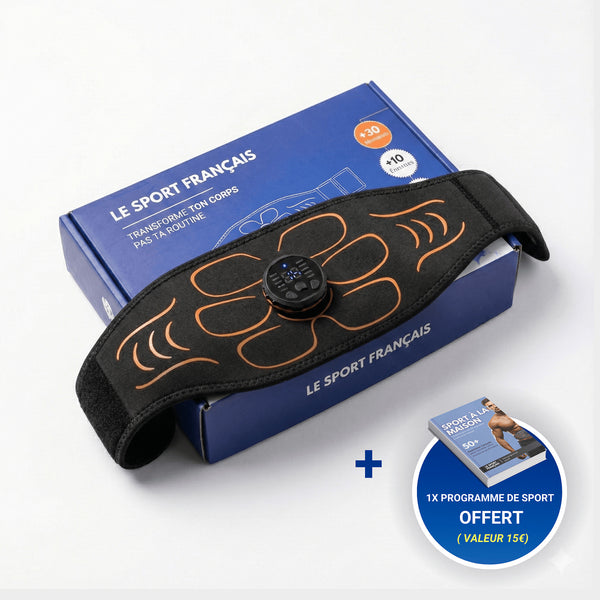
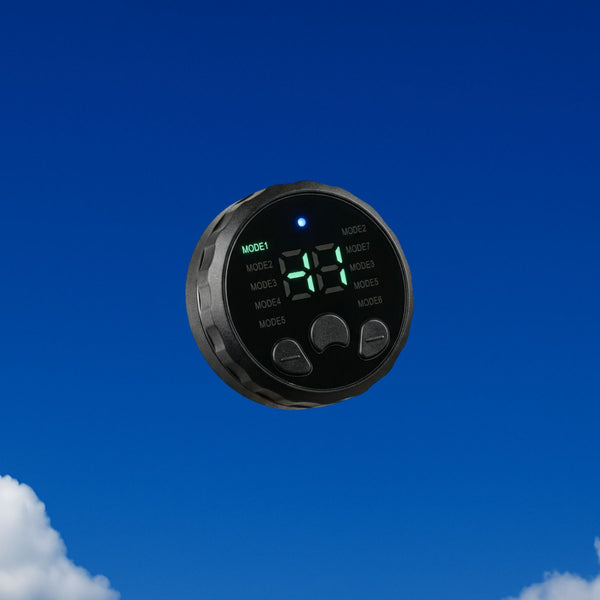
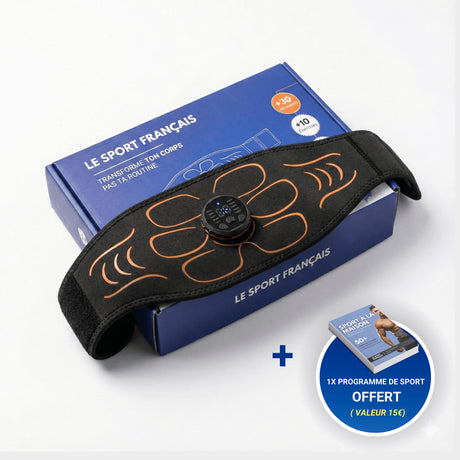
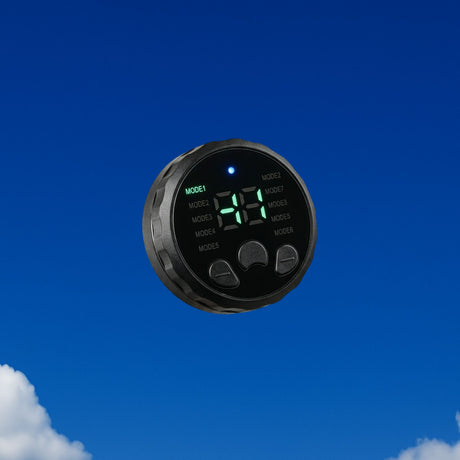
You need an adjustable signal, well-distributed electrodes, and a reliable control unit. The Le Sport Français EMS abdominal muscular belt (€59.99) offers several stimulation modes and dozens of intensity levels, with a USB-rechargeable control unit and an adjustable belt that covers the rectus abdominis and obliques.
The control unit is interchangeable: the rechargeable EMS central unit (€15) allows you to equip a second user or replace a unit without buying the whole set.
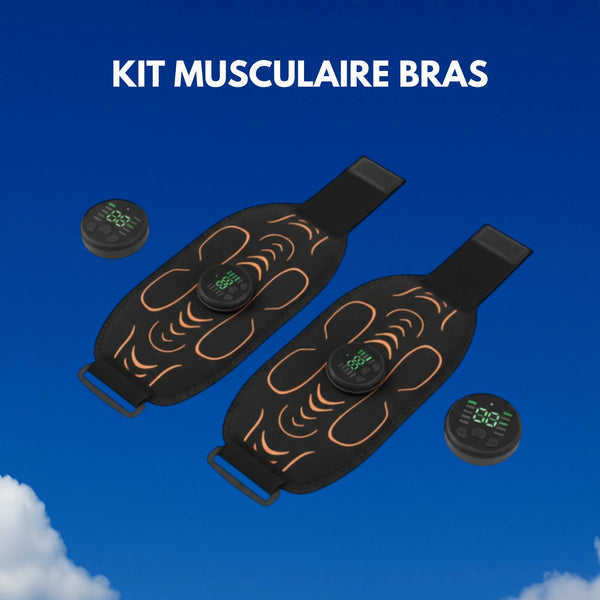
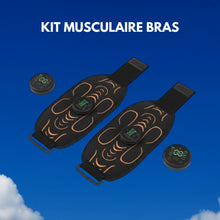
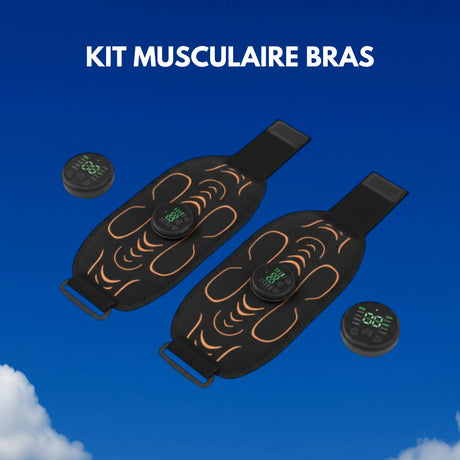
To apply the same principles to other muscle groups, the EMS arm muscle kit (€45) targets biceps and triceps with two patches and the same type of control unit. If you want a complete set from the start, the belt + arm strap sports kit (€89.99) combines both. Finally, for more localized and discreet stimulation under clothing, the EMS abdominal patch (€40.99) applies the same principle over a smaller surface; our article EMS patch vs. EMS belt details the differences.
Frequently asked questions
Why do I feel tingling without contraction?
You are between the sensory threshold and the motor threshold. The skin's sensory fibers react before the motor fibers. Check the electrode contact and gel condition first, then increase the intensity level by level until you see the abdomen contract.
Which frequency to choose to tone the abs?
Strengthening programs generally fall between 30 and 100 Hz, the zone where the contraction becomes sustained. Low frequencies, below 10 Hz, are used more for recovery. Choose the "strengthening" mode and focus on intensity, the decisive parameter.
Can I use the belt every day?
Yes, provided you respect the rest times during the session and stick to reasonable durations, 15 to 30 minutes. The Porcari study used five sessions per week. If soreness persists, space them out by a day.
Does the EMS belt reach the transversus abdominis?
The transversus abdominis is deep and the intensity of the electric field decreases with distance. A belt primarily stimulates the rectus abdominis and obliques; the effect on the transversus is indirect and depends on the tolerated intensity. To target this muscle, combine stimulation with a voluntary contraction (navel pulled in) and core stability exercises.
Why does the contraction weaken at the end of the session?
This is the neuromuscular fatigue specific to EMS: the same motor units are engaged with each pulse, without rotation. It is described by Maffiuletti (2010) and Gregory and Bickel (2005). A sufficient rest/contraction ratio and a moderate session duration limit the phenomenon.
What you need to remember
- The EMS belt stimulates the motor nerve, not the muscle directly: the contraction is real but involuntary.
- Fiber recruitment is non-selective and superficial, which explains faster fatigue than with exercise.
- Frequency, pulse width, intensity, and ramps define the signal; intensity is the parameter that matters most.
- Electrodes that are well-placed, on clean skin, and with gel in good condition are essential for an effective contraction.
- Over 8 weeks, abdominal strength and endurance improve; fat mass does not change.
- Combining EMS and voluntary contraction yields the best results.
- Respect contraindications: pacemaker, epilepsy, pregnancy, skin lesions.
Conclusion
An electrostimulation belt is not magical: it is a pulse generator that speaks to the motor nerve in place of your brain. Once the parameters are understood, you know why a session works and how to make it progress. If you wish to apply these principles with adjustable and reliable equipment, the EMS abdominal muscular belt is designed for that, in addition to a bit of core training and a consistent lifestyle.
Sources
- Porcari J.P. et al. (2005). The effects of neuromuscular electrical stimulation training on abdominal strength, endurance, and selected anthropometric measures. Journal of Sports Science and Medicine, 4(1), 66-75. pubmed.ncbi.nlm.nih.gov
- Maffiuletti N.A. (2010). Physiological and methodological considerations for the use of neuromuscular electrical stimulation. European Journal of Applied Physiology, 110, 223-234. link.springer.com
- Gregory C.M., Bickel C.S. (2005). Recruitment patterns in human skeletal muscle during electrical stimulation. Physical Therapy, 85(4), 358-364. academic.oup.com