















Getting back into strength training after a long break is one of the most common goals—and one of the most poorly approached. The temptation to return at pre-break intensity, without remembering that the body has lost its adaptations, is the number one cause of injuries and dropouts in the first few weeks. This guide gives you the smart method to resume strength training at home, progressively and effectively, with no equipment.
Why the return must be progressive
After a break of 4 weeks or more, several physiological phenomena have occurred in your body. Muscle mass has decreased (disuse atrophy)—typically by 5 to 15% depending on the duration of inactivity. Neuromuscular connections (the brain's ability to effectively recruit muscle fibers) have weakened. Flexibility and joint mobility have decreased. And the cardiovascular system has lost some of its adaptation to effort.
The good news: the body regains these adaptations much faster than it acquired them initially, thanks to muscle memory (a phenomenon linked to myonuclei that persist in muscle cells even after atrophy). In 4 to 6 weeks of progressive resumption, you will generally recover 80 to 90% of your previous levels.
The two-week rule
The first two weeks of returning should be dedicated to neuromuscular reconnection, not performance. This means: slow and controlled movements, focus on muscle sensation rather than the number of repetitions, voluntarily reduced intensity (60 to 70% of your maximum), and short sessions (20 to 25 minutes). The goal is to reactivate motor patterns, not to end up totally exhausted.
The 8-week return program
Weeks 1-2: Reconnection
4 sessions per week, 20-25 minutes. Slow squat (3x10, focus on thigh sensation), knee push-ups if necessary (3x8), plank (3x20 sec), side plank (2x15 sec), slow glute bridge (3x10). Rest 60 seconds between sets. Do not exceed this intensity for the first two weeks, even if you think you can do more.
Weeks 3-4: Reconstruction
4 sessions per week, 25-30 minutes. Squat (3x15), full push-ups (3x10-12), plank (3x35 sec), alternating lunges (3x8 each side), side plank (3x25 sec), mountain climbers (3x20), chair dips (3x10). Rest 45-60 seconds.
Weeks 5-6: Progression
5 sessions per week, 30-35 minutes. Squat (4x20) with slow tempos (3-second descent), push-ups (4x12-15), plank (3x50 sec), jump lunges (3x8), mountain climbers (4x30), hollow body hold (3x20 sec), side plank (3x35 sec). Rest 45 seconds.
Weeks 7-8: Performance
5 sessions per week, 35-40 minutes. Circuit training: 25 squats, 15 push-ups, 45 sec plank, 10 jump lunges, 10 burpees, 30 sec hollow body, 10 dips, 35 sec side plank on each side. 3 circuits with 90 sec rest between each.
Signs you are returning too fast
Intense muscle soreness (more than 72h) after the first sessions signals excessive intensity for your current condition level. Persistent fatigue beyond 48h, joint pain (distinct from muscle soreness), or a decline in sleep quality are warning signs. If any of these signs appear, reduce intensity by 30% and reintroduce more gradually.
Nutrition during the return
Muscle recovery requires sufficient protein intake to rebuild muscle tissue. According to ANSES recommendations, protein needs when restarting sports range between 1.6 and 2 g per kilo of body weight per day. Hydration (minimum 2 liters of water per day) is also essential for muscle recovery and joint lubrication.
Accelerating abdominal recovery with EMS
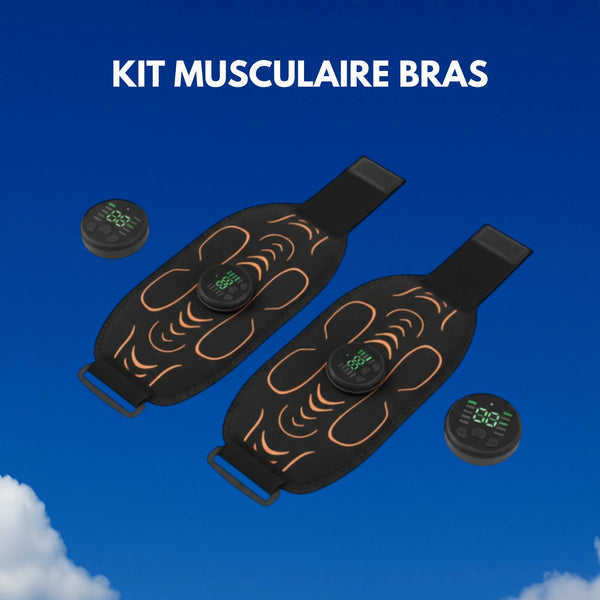
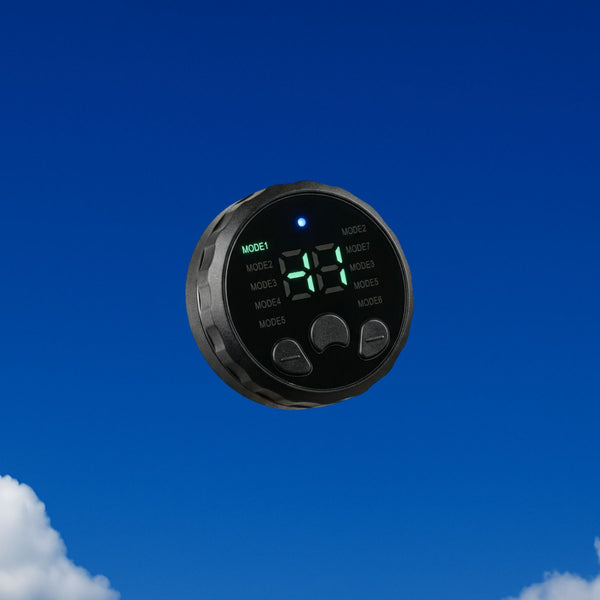
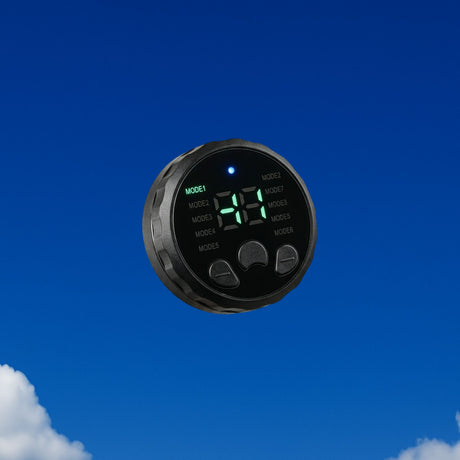
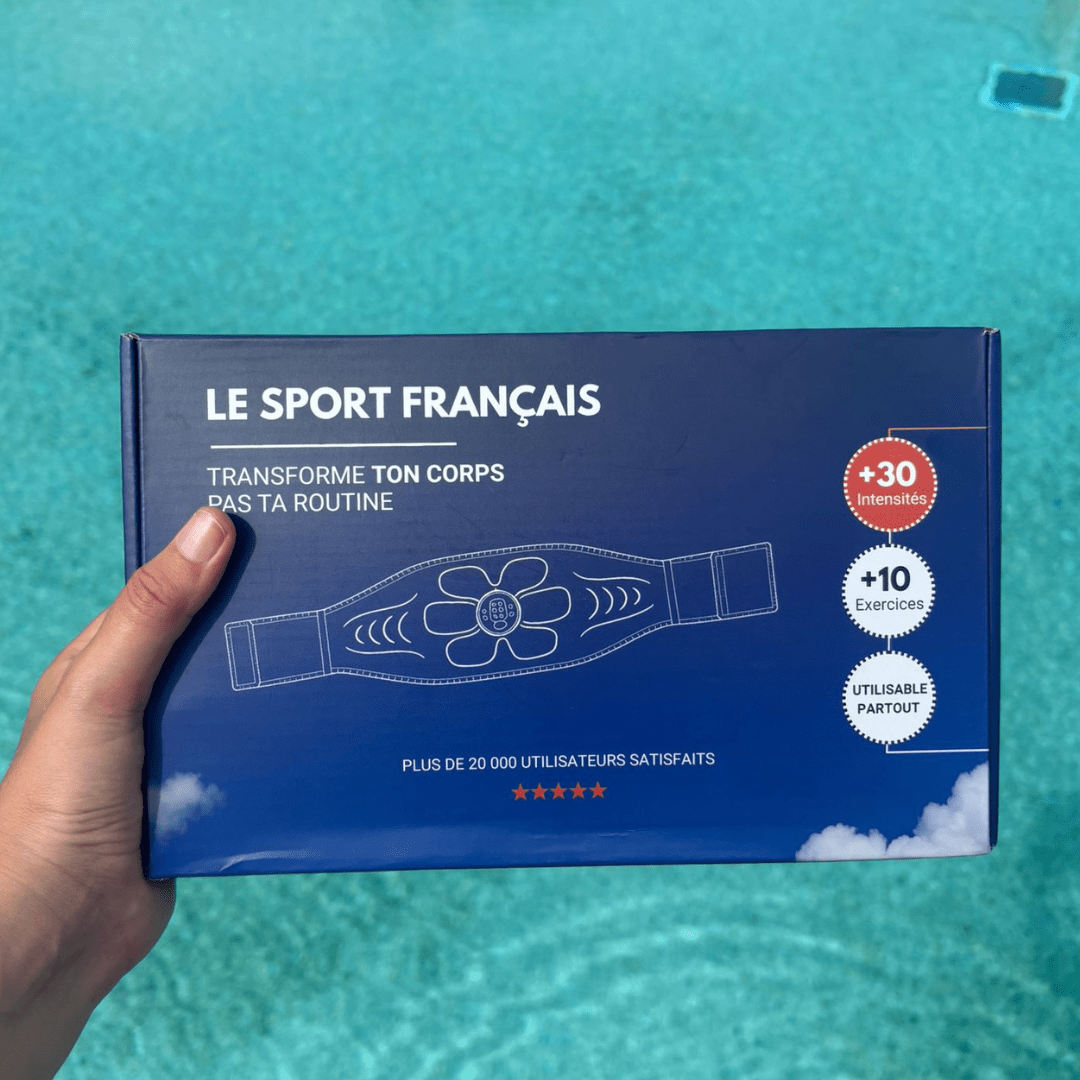
If the abdominal area is one of your priorities for your return, the Le Sport Français EMS abdominal belt is particularly useful during the first few weeks. It allows you to reactivate deep abdominal muscles (transversus, obliques) without the mechanical impact of floor exercises. Wear it for 20 minutes a day from the first week of your return, in gentle activation mode (levels 1-3). This accelerates neuromuscular reconnection and reduces abdominal soreness in the first weeks.
To complement your return, check out our article on the 30-day program to build muscle at home and on building abs without equipment.