

The sauna suit shirt is polarizing: a performance accelerator for some, a gadget that just makes you sweat for others. Are you wondering if it’s really worth its 40-euro price tag, if it helps with belly fat loss, or if it’s dangerous? The honest answer can be summed up in one sentence: a sauna suit shirt doesn't magically burn fat, but when used correctly during training, it increases thermal stress, energy expenditure, and, according to several controlled trials, certain cardiovascular adaptations. This guide explains what it does, what it doesn't do, how to use it safely, and which one to choose.
What is a sauna suit shirt and how does it work?
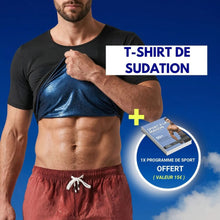
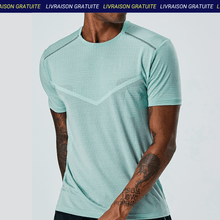
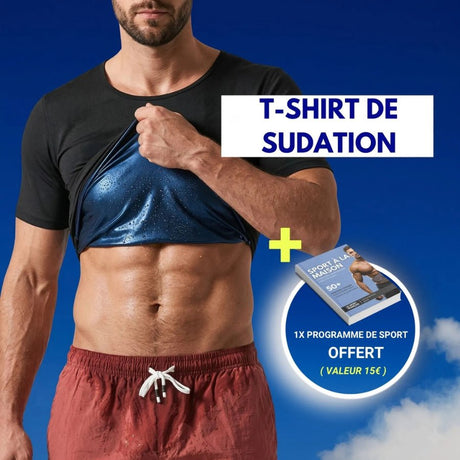
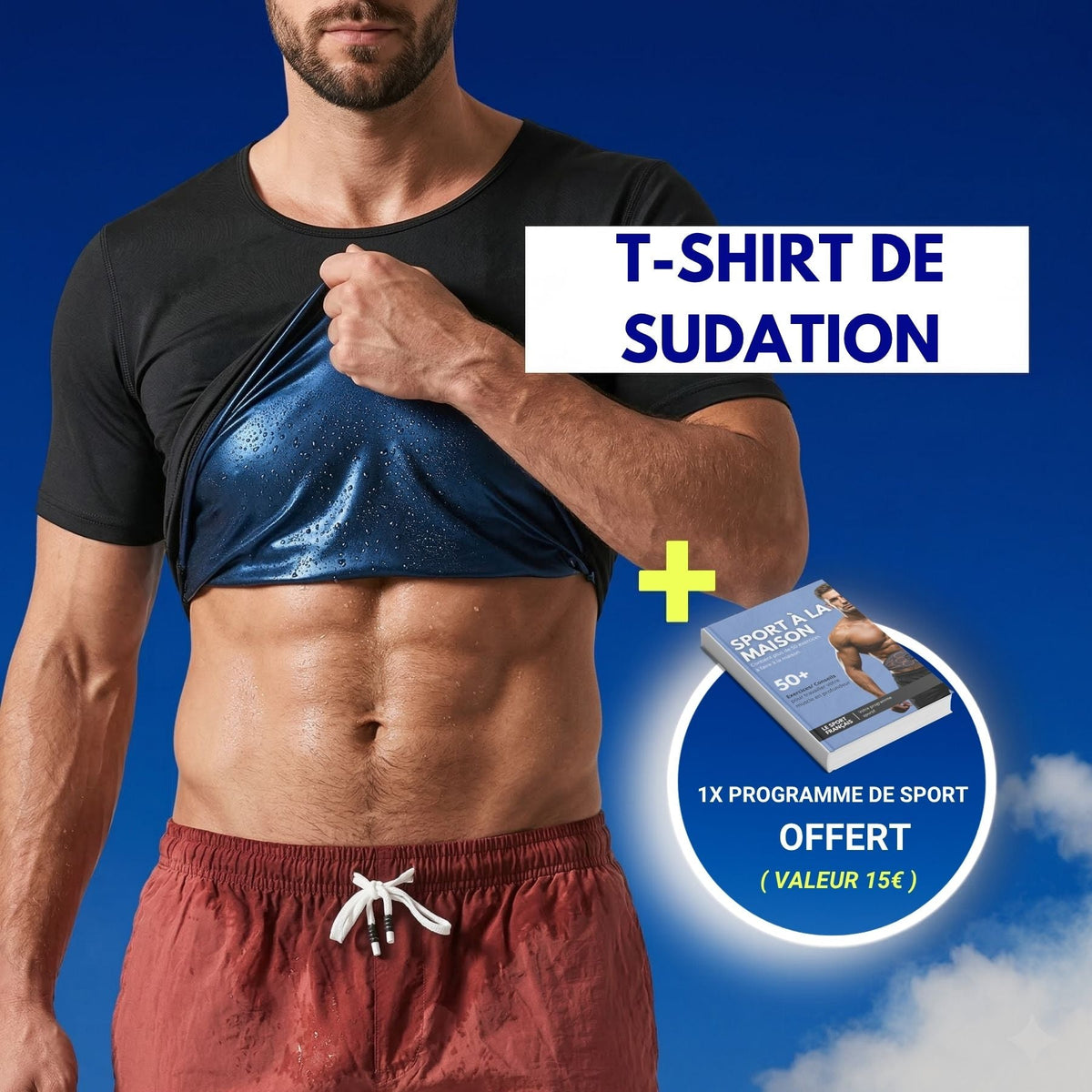
A sauna suit shirt (also called a sweat shirt, sauna top, or thermal shirt) is a piece of workout gear made from a material that retains heat instead of wicking it away. Where a traditional technical shirt is designed to evaporate sweat and keep you cool, the sauna suit shirt does the opposite: it traps the heat produced by your muscles and creates a hot, humid microclimate around your torso.
The most commonly used material is neoprene, an insulating synthetic rubber found in wetsuits. The Le Sport Français sauna suit shirt combines an inner neoprene lining for a sauna effect with an outer layer of stretch polyester, allowing for freedom of movement during squats, push-ups, or a jump rope session.
Why do you sweat so much with it?
Sweating is the body’s primary cooling mechanism: when sweat evaporates on the skin, it draws heat away. Under an insulating fabric, this evaporation is blocked. Skin and core temperatures rise slightly faster, and the brain responds by increasing sweat production. The result: you sweat significantly more than you would in a regular shirt, without the exercise itself having changed.
What is a sauna suit shirt really for?
Research documents three effects: thermal stress that stimulates heat adaptations, slightly higher energy expenditure during effort, and rapid but temporary water weight loss. Let’s take them in order, based on what the studies actually say.
Effect 1: Thermal stress that improves training adaptations
This is the most interesting and least known effect. In a randomized controlled trial conducted on 45 sedentary, overweight adults (Haney et al., 2017, International Journal of Research in Exercise Physiology), participants who trained 5 times a week for 8 weeks wearing a sauna suit showed greater progress than those following the exact same program without one: +11.7% VO2max vs +7.3%, −2.6% body mass vs −0.9%, and a 7.7% drop in fasting blood glucose vs 2.1%. Resting metabolism increased by 11.4% in the sauna suit group, while it decreased slightly in the control group.
Among endurance athletes, another study by the same team (Van de Velde et al., 2017) showed that after just 14 days of training in a sauna suit, VO2max improved by 9.1% and a 5K was run 38 seconds faster, with better heat tolerance. The mechanism is heat acclimatization: the body increases its plasma volume, sweats earlier and more efficiently, and the heart works better for the same level of effort.
Effect 2: Slightly higher energy expenditure
Maintaining body temperature under stress requires energy: the heart beats faster and skin circulation increases. At the same intensity, perceived exertion and heart rate are higher with a sauna shirt than with a standard shirt (Willmott et al., 2018, journal *Temperature*). The calorie difference remains modest, in the order of a few dozen kilocalories per hour-long session. It's a bonus, not a primary driver.
Effect 3: Rapid, temporary water weight loss
This is the most visible and least understood effect. An intense session in a sauna shirt can drop 0.5 to 1.5 kg on the scale in an hour. This weight is water and electrolytes, not fat. It returns as soon as you rehydrate. This is why boxers, judokas, and MMA fighters use sweat gear to cut weight before a weigh-in, never for sustainable weight loss.
What the sauna suit shirt does NOT do
Let’s be direct, because this is where marketing promises often go off the rails.
It does not melt belly fat. Sweating around the abdomen does not trigger lipolysis in that specific area. Fat loss is a global process driven by energy balance: if you consume fewer calories than you burn, you lose body fat everywhere, including the stomach, with or without a shirt. We detail this mechanism in our article belly fat in men: how to eliminate it.
It does not replace training. Worn on the couch, it makes you sweat and that's it. The benefits measured in studies exist only because the participants were training seriously, 4 to 5 times a week.
It does not cause weight loss without a calorie deficit. The scale may show −1 kg after the session; the next day, it’s all back. The only real weight loss comes from your diet and training consistency, as we explain in how to lose belly fat in 30 days.
Does the sauna suit shirt help lose belly fat?
Indirectly, yes, under three conditions. First, it must be worn during actual workouts: cardio, HIIT, circuit training, or strength training. Second, these sessions must be part of a moderate calorie deficit (300 to 500 kcal per day): this deficit is what burns the fat, while the shirt only slightly increases expenditure and improves your fitness level. Third, consistency matters more than the intensity of a single session: in the Haney study, repeating it for 8 weeks produced a 13.8% drop in body fat, compared to 8.3% without the sauna gear.
In other words, the sauna suit shirt is an amplifier for a program that already works. It won't save a program that doesn't.
How to use a sauna suit shirt: the protocol
Here is the protocol we recommend, based on the durations used in studies (30 to 45 minutes per session) and hydration recommendations from the American College of Sports Medicine.
Before the session
Drink 400 to 500 ml of water in the two hours beforehand. Weigh yourself naked if you want to measure your fluid loss. Put the shirt on directly against the skin or over a thin base layer, and ensure it fits well without restricting your breathing.
During the session
Duration: 30 to 45 minutes for the first two weeks, up to 60 minutes thereafter, never exceeding 90 minutes. Intensity: moderate to vigorous, keeping the ability to speak in short sentences. Hydration: 150 to 250 ml every 15 to 20 minutes. Environment: temperate room, 18 to 22 °C, never in direct sunlight or an overheated room.
After the session
Remove the shirt immediately, take a lukewarm shower, then rehydrate: 1.2 to 1.5 liters of water for every kilo lost on the scale, with a pinch of salt or a sodium-containing drink if the loss exceeds 1 kg. Rinse the shirt in cold water and let it air dry; never use a tumble dryer.
4-week sample program
Week 1: 3 sessions of 30 minutes (brisk walking or stationary bike + 10 minutes of core work). Week 2: 3 sessions of 40 minutes, including one circuit training session (squats, push-ups, lunges, mountain climbers, 40 seconds of work / 20 seconds of rest). Week 3: 4 sessions of 45 minutes, including two circuits and one strength session. Week 4: 4 to 5 sessions of 45 to 60 minutes, adding one short HIIT session (15 minutes). You can combine the shirt with our men's sauna belt on core days to also target the lower back and abdominal region.
What precautions and contraindications are there?
The sauna suit shirt adds real thermal stress. Researchers who have measured its effects emphasize three points: it must be used in a temperate environment, with a structured program, and after a health check-up for high-risk individuals.
Do not use it if you suffer from unstable cardiovascular disease, untreated hypertension, diabetes (as thermoregulation capacity is reduced), if you are pregnant, have a fever, or are taking diuretics. Seek your doctor's advice in case of doubt.
Stop the session immediately if you experience dizziness, nausea, headaches, cramps, shivering, or if you stop sweating: these are signs of dehydration or heatstroke. Never wear the shirt to sleep, in a sauna, or outside in the middle of summer. Common mistakes we see: wearing it all day "to sweat more," skipping hydration to "see a bigger number on the scale," and stacking two long sessions in the same day.
Which sauna suit shirt should you choose? Our criteria and our solution
Four criteria differentiate a good sauna suit shirt from a glorified plastic bag.
Material. A 2-3 mm neoprene interior retains heat without being stiff; a polyester-elastane exterior allows you to move. Avoid pure PVC, which is completely non-breathable and prone to tearing.
Fit. The shirt should be snug on the torso but leave the shoulders free. A fit that is too loose lets the heat escape; one that is too tight restricts breathing.
Seams. They must be flat and reinforced under the armpits; otherwise, chafing will appear by the second session.
Maintenance. The garment needs to be rinsed after every session: a fabric that retains odors or loses its shape after washing will quickly be abandoned.
The Le Sport Français men's sauna suit shirt meets these four criteria: sauna-effect neoprene lining, stretch exterior, flat seams, form-fitting cut, available from S to 2XL at €39.99. If you train more than three times a week, the duo pack (2 shirts, €59) or the 3 + 1 free pack (€89) ensures you always have a dry shirt ready. For cardio sessions in cool weather, the long-sleeve version covers the arms as well; for weight training, the sauna tank top leaves the shoulders completely free. Women can find the equivalent with our women's sauna top.
Sauna suit shirt or EMS belt: which one to choose for the belly?
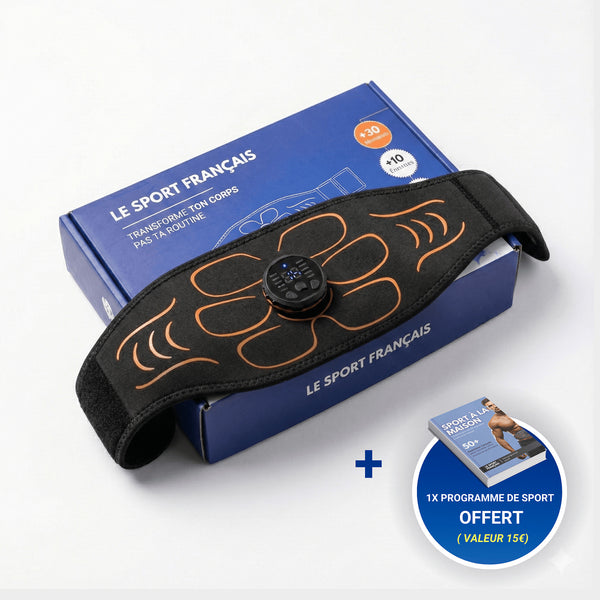
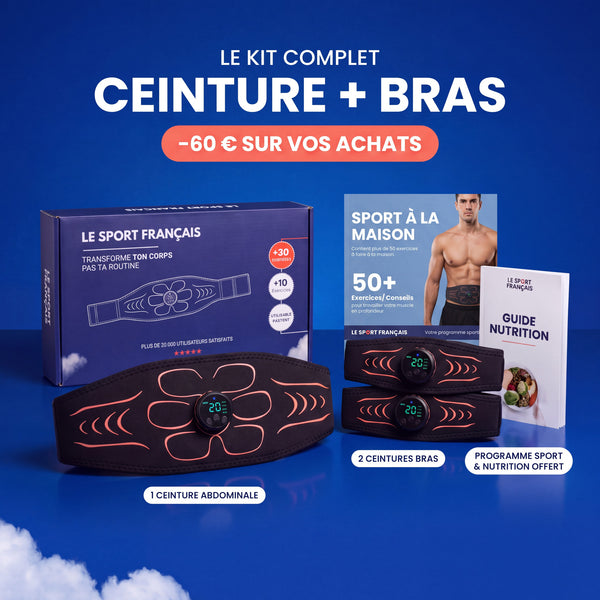
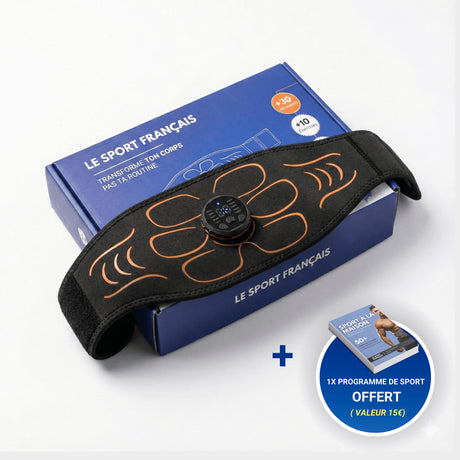
These are two different tools. The sauna suit shirt acts on energy expenditure and cardiovascular adaptations during full-body effort. The electrostimulation belt directly contracts the abdominals to strengthen and tone them, with no significant effect on calorie expenditure. To lose belly fat, the logical order is: calorie deficit, regular training in a sauna suit shirt, then targeted strengthening with electrostimulation or bodyweight exercises. We compare both approaches in our guide electrostimulation abdominal belt: gadget or real solution and in building abs without equipment.
Frequently Asked Questions
How long should you wear a sauna suit shirt?
Only during training: 30 to 45 minutes initially, 60 minutes maximum once habituated, never more than 90 minutes. Wearing it all day provides no extra benefits and increases the risk of dehydration and skin irritation. Take it off as soon as the session ends.
Can you wear it every day?
Yes, if you train every day at a moderate intensity and hydrate correctly, like the participants in the studies (5 sessions per week). Schedule at least one rest day per week and alternate with a second shirt to let the first one dry.
Does it really make you lose weight?
It causes immediate water weight loss (temporary) and, when combined with a consistent training program, it improved body mass and fat mass loss in an 8-week controlled trial. On its own, without training or a calorie deficit, it does not cause fat loss.
Is it dangerous?
Not for a healthy adult who follows the rules: temperate environment, limited session time, regular hydration. The main risk is dehydration or heatstroke if used excessively. People with heart conditions, diabetes, hypertension, or those who are pregnant should abstain or consult a doctor first.
How do you wash a sauna suit shirt?
Rinse in cold water after each session, hand wash or machine wash at 30°C max without fabric softener, and air dry inside out. No tumble dryer or radiators: heat degrades neoprene.
Key Takeaways
- A sauna suit shirt retains heat and significantly increases sweating during effort.
- Immediate weight loss is water: it returns upon rehydration.
- Combined with regular training, it improved VO2max, body fat, and blood glucose in controlled trials.
- It does not burn fat locally and is not a substitute for training or a calorie deficit.
- Use for 30 to 60 minutes per session, in a temperate room, drinking 150 to 250 ml of water every 15 to 20 minutes.
- Contraindicated for those with cardiovascular disease, diabetes, untreated hypertension, or pregnancy.
- Choose a 2-3 mm neoprene model with a snug fit and flat seams.
Conclusion
The sauna suit shirt is neither a miracle nor a gadget: it is an intensification tool. Worn 3 to 5 times a week during actual workouts in a safe setting, it makes every session a little more demanding and a little more effective, as confirmed by controlled studies. If you are looking for a simple starting point for your home workouts, the Le Sport Français sauna suit shirt is designed exactly for this use: neoprene that makes you sweat, a cut that allows for movement, and a price that remains reasonable. And to structure your diet in parallel, our 7-day flat belly meal plan completes the program.
Sources
- Haney A. et al. (2017). Health-Related Benefits of Exercise Training with a Sauna Suit: A Randomized, Controlled Trial. International Journal of Research in Exercise Physiology, 13(1). ijrep.org
- Van de Velde S. S., Byrd B. R., Fargo J. S., Buchanan C. A., Dalleck L. C. (2017). The Performance Benefits of Training with a Sauna Suit: A Randomized, Controlled Trial. International Journal of Research in Exercise Physiology, 13(1). ijrep.org
- Willmott A. G. B. et al. (2018). Physiological and perceptual responses to exercising in restrictive heat loss attire with use of an upper-body sauna suit in temperate and hot conditions. Temperature, 5(2). PubMed
- American Council on Exercise (2017). ACE-Sponsored Research: The Health-related Benefits of Exercise Training With a Sauna Suit. acefitness.org