






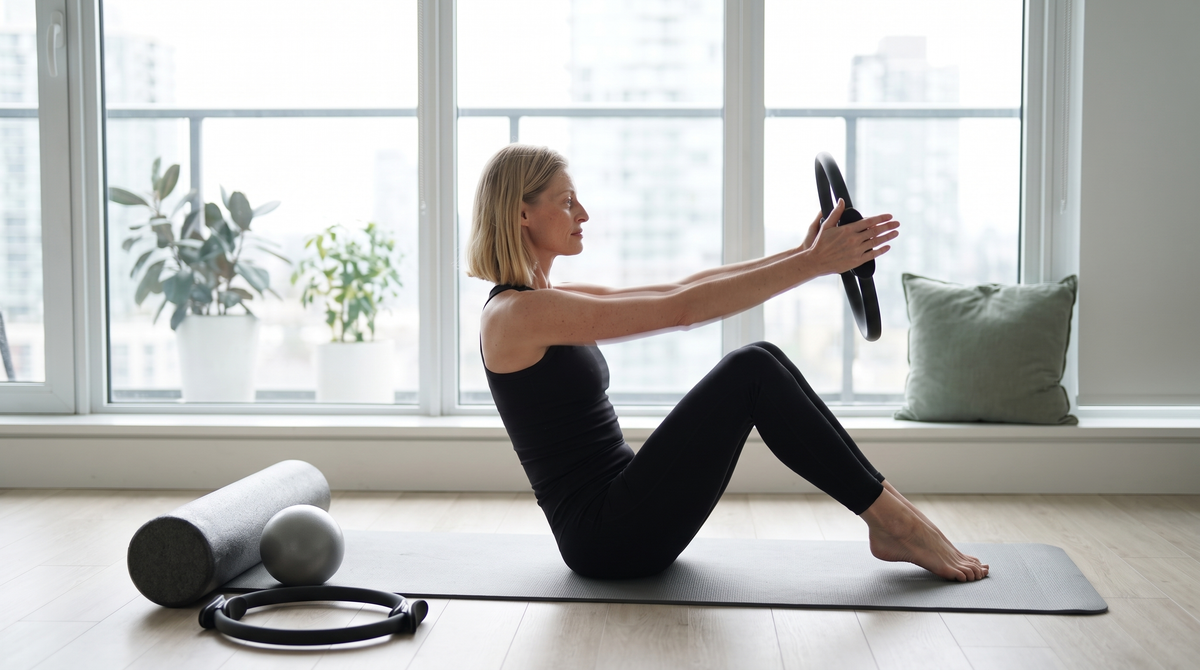
Doing Pilates at home is one of the most effective ways to strengthen your core, improve your posture, and relieve a tired back, without expensive equipment or a gym. But between 10-minute videos and promises of a "flat stomach in 2 weeks," it is difficult to know where to start, how often to practice, and what the method really delivers. This complete guide covers everything: principles, study-backed benefits, minimal equipment, fundamental exercises, a 4-week beginner program, mistakes to avoid, and how to combine Pilates with the rest of your training.
What exactly is Pilates?
Pilates is an exercise method created by Joseph Pilates in the 1920s, first for rehabilitation, then adopted by dancers, and eventually by the general public. It relies on slow, controlled movements coordinated with breathing, which primarily target the deep muscles of the trunk: the transverse abdominis, multifidus, pelvic floor, and diaphragm. These muscles form what the method calls the "powerhouse," and it is from here that all movements originate.
Six principles structure the practice: concentration, control, centering, fluidity, precision, and breathing. Concretely, a mat Pilates session (matwork) consists of a sequence of 10 to 20 exercises done lying down, seated, or on all fours, with a low number of repetitions where the quality of movement matters more than quantity. There is also practice on machines (reformer, cadillac), which we detail in our article on Reformer Pilates at home.
The benefits of Pilates established by studies
Core endurance and flexibility
A controlled trial (Kloubec, 2010, Journal of Strength and Conditioning Research) followed adults practicing mat Pilates twice a week, for one hour, over 12 weeks: abdominal endurance, upper body endurance, and hamstring flexibility improved significantly compared to the control group. Conversely, posture and static balance did not change over this duration, which serves as a reminder that Pilates is not magic and its effects are built over months.
Lower back pain
This is the area where the evidence is most solid. A Cochrane review (Yamato et al., 2015) covering 10 trials concludes that Pilates is more effective than minimal intervention for reducing pain and disability in people suffering from chronic low back pain, in the short and medium term, with a low to moderate level of evidence. It is not proven to be superior to other forms of exercise: the important thing is to move regularly, and Pilates is a safe and structured way to do so.
Posture, breathing, and well-being
Regarding posture, the data is more mixed at 3 months, but regular practitioners report better body awareness and a straighter seated position. Breathwork reduces shoulder and neck tension in those who work while seated. Finally, like any moderate physical activity, Pilates improves mood and sleep.
What Pilates does not do
It does not cause weight loss on its own: a matwork session burns 150 to 250 kcal, far from cardio. It does not "burn" belly fat locally: the abdominal belt becomes more toned, but the fat only goes away with a caloric deficit. And it does not replace weight training to gain mass or maximum strength. It complements, it does not replace.
Equipment needed to get started (and what is optional)
To start, a thick mat (at least 8 mm, to protect the spine and tailbone), form-fitting clothing that allows you to see your alignment, and a square meter of quiet space. That is all. Accessories come later, once the basics are mastered: a small soft ball (20 to 25 cm) for pelvic and transverse exercises, a ring (magic circle) to add isometric resistance to the thighs and arms, a foam roller for spinal mobility, 1 to 2 kg dumbbells for the upper body, and resistance bands or a bar to replicate reformer exercises. Le Sport Français is preparing a complete Pilates range with these five accessories; in the meantime, all exercises in this guide can be done with nothing.
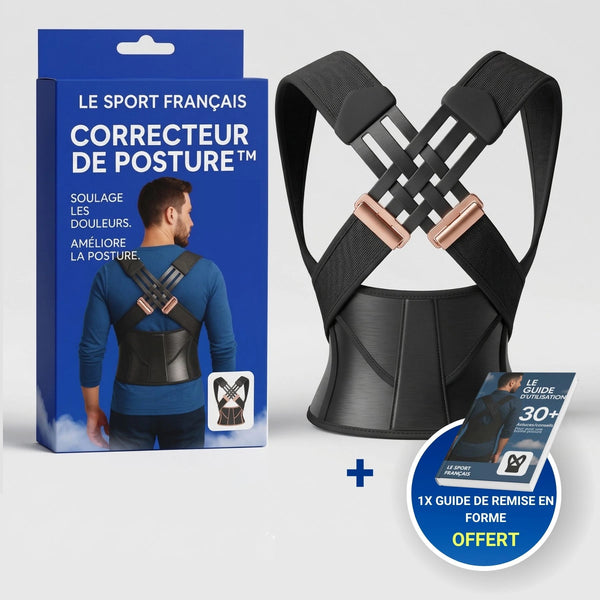
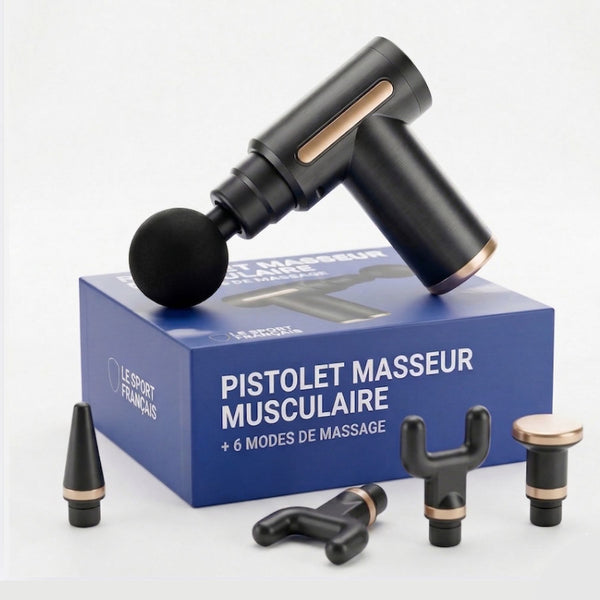
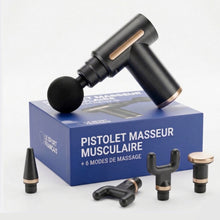
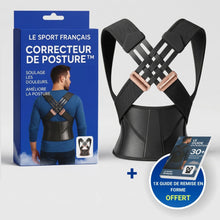
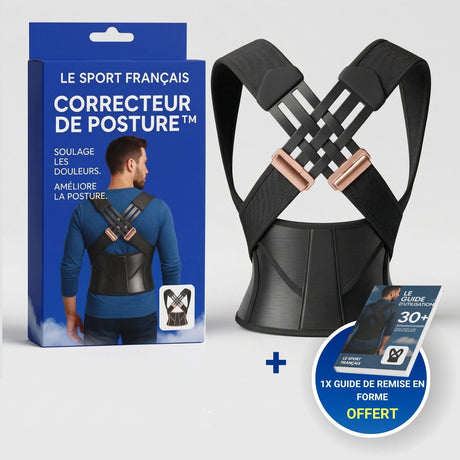
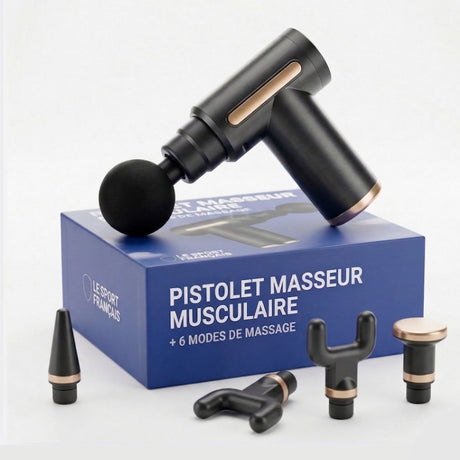
For recovery and posture, two products in the store integrate well into a regular practice: the massage gun to release the hamstrings and back after a session, and the posture corrector as a reminder during the workday, as a complement to the exercises and never as a replacement for them.
The 5 fundamental exercises to master
1. Lateral breathing
Lying on your back, knees bent, hands on your ribs. Inhale through your nose while expanding the ribs to the sides, without inflating the stomach; exhale slowly through your mouth while pulling the navel toward the spine. 10 breaths. This is the movement you will find in all the others.
2. The pelvic curl
Same position. Exhale, tilt the pelvis to press the lower back down, then peel the spine up vertebra by vertebra to the shoulder blades. Inhale at the top, exhale while rolling down vertebra by vertebra. 8 slow repetitions. Strengthens glutes and hamstrings, mobilizes the spine.
3. The chest lift
Hands behind the head, elbows open. Exhale while lifting the head and shoulder blades, gaze toward the knees, stomach pulled in, without pulling on the neck. Inhale at the top, exhale while lowering. 8 to 10 repetitions. This is the Pilates equivalent of the crunch, but slow and smooth.
4. The single leg stretch
Head and shoulders lifted, one knee pulled toward the chest, the other leg extended at 45 degrees. Alternate while exhaling with each switch, 10 repetitions per leg. Strengthens deep abdominals while coordinating the legs.
5. The swimming
Lying on your stomach, arms and legs extended. Slightly lift opposite arms and legs in an alternating pattern, breathing regularly, 20 to 30 seconds. Strengthens the posterior chain and corrects the imbalance between the stomach and back.
Our article Beginner Pilates: 8 simple exercises describes each of these movements with common errors to correct, and Pilates for a flat stomach focuses on the abdominal area.
4-week beginner Pilates program
Three non-consecutive sessions per week, 20 to 35 minutes long. Each session starts with 2 minutes of lateral breathing and ends with 2 minutes of gentle stretches (child's pose, cat-cow).
Week 1: The basics
20 minutes. Lateral breathing 10 cycles, pelvic curl 8, chest lift 8, single leg stretch 8 per leg, swimming 20 seconds, spine stretch forward 5. Each exercise once, focusing on precision.
Week 2: Control
25 minutes. The same exercises, two sets each, plus the double leg stretch (both knees toward the chest then arm-leg extension) 8 repetitions and knee planks 20 seconds.
Week 3: Fluidity
30 minutes. Perform the exercises in sequence without pause between them, add the hundred (legs in tabletop, small arm pulses for 10 breaths) and side knee planks 20 seconds on each side.
Week 4: Progression
35 minutes. Move to full versions: legs extended for the hundred, full plank 30 seconds, roll-up (full back roll-up from a lying position) 5 slow repetitions, criss-cross (elbow-to-knee rotation) 10 per side. At the end of the week, redo the Week 1 session: you will measure how far you have come.
Then, two options: continue three times a week while gradually adding intermediate exercises, or switch to two Pilates sessions and add a more intense strengthening session, like our 12-week beginner weight training program for women.
Mistakes to avoid and precautions
The most common mistakes for beginners: holding your breath during the effort; pulling on the neck in the chest lift; arching the lower back when the legs descend (keep them higher as long as the lower back does not remain pressed down); going fast to "do more"; and practicing on a mat that is too thin. Pilates is accessible to almost everyone, but seek medical advice in case of acute herniated disc, severe osteoporosis, pregnancy (exercises on the back should be adapted from the 2nd trimester), recent postpartum (see our guide to resuming abdominal work after childbirth), or recent surgery. Sharp pain, distinct from muscle exertion, requires stopping the exercise.
Pilates, core work, EMS: how to combine them
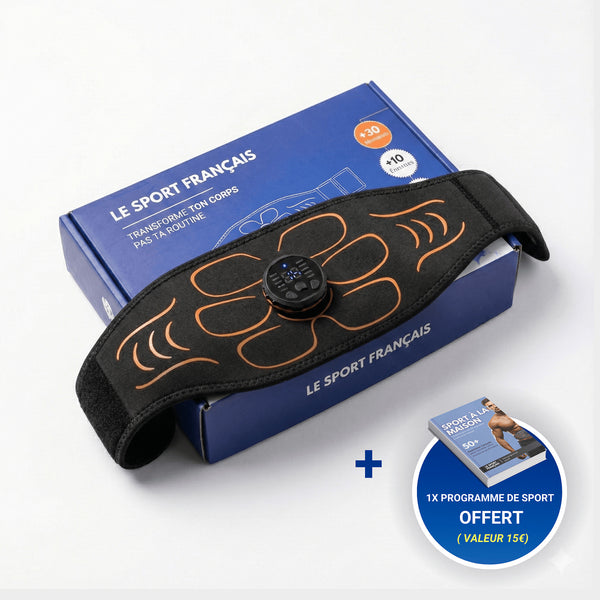
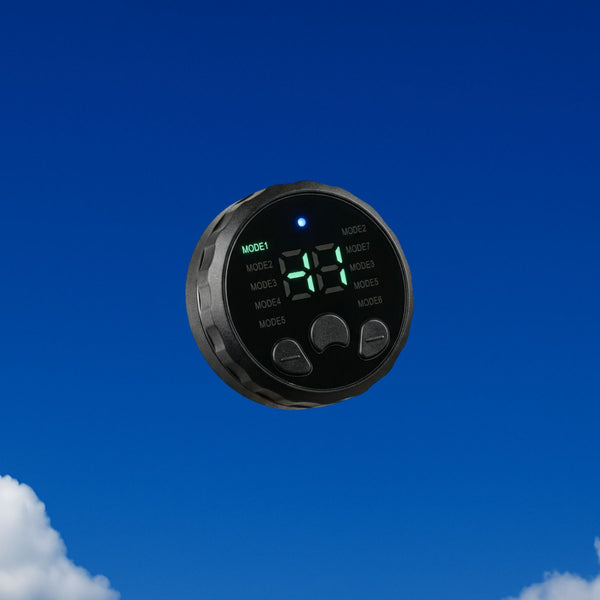
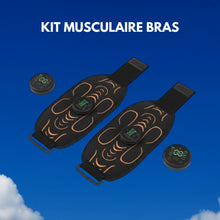
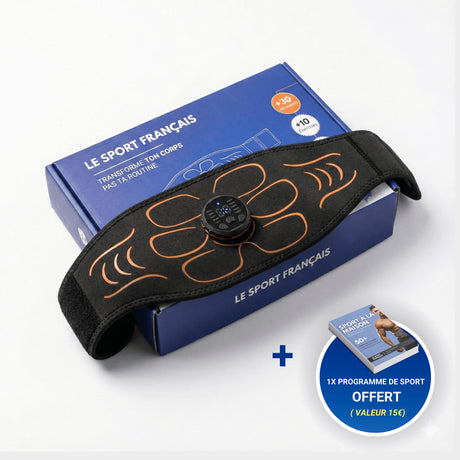
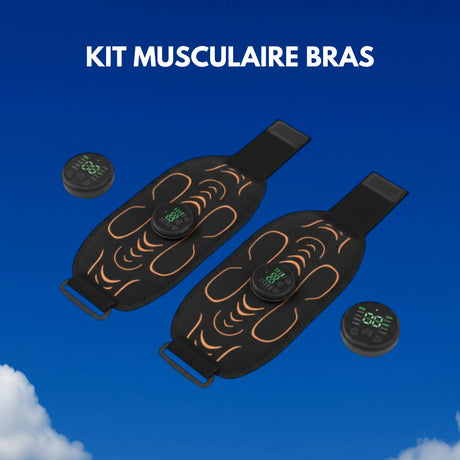
Pilates develops control and endurance in the deep muscles; classic core work and bodyweight exercises add strength; an electro-stimulation belt can complement by recruiting fibers that voluntary contractions activate poorly, without losing fat on its own, as shown by the studies we summarize in EMS belt: real results over 8 weeks. A balanced week for a toned stomach and a solid back: two Pilates sessions, one strengthening session, daily walking, and potentially EMS at the end of the day on days without a session. Once the core is solid, the ab wheel becomes the next step in anti-extension training.
Frequently asked questions
How many times a week should I do Pilates?
Two to three sessions of 20 to 45 minutes are enough to make progress; this is the frequency used in studies that show gains in endurance and flexibility. Short daily practice (10 to 15 minutes) is possible if the intensity remains moderate.
Does Pilates help you lose weight?
Little by itself: energy expenditure is modest. It tones the abdominal area and improves posture, which changes the silhouette, but fat loss requires a caloric deficit and complementary cardio activity.
Pilates or yoga?
Pilates targets core strengthening and movement control; yoga places more emphasis on flexibility, balance, and meditative breathing. For a fragile back and a stomach to tone, Pilates is often more direct; the two combine very well.
How long does it take to see results?
Control and awareness of the center improve in 2 to 3 weeks; abdominal endurance and flexibility progress significantly in 8 to 12 weeks; posture takes longer, often several months of regular practice.
Do you need a reformer to progress?
No. Matwork covers the essentials, and accessories (ball, ring, bands) replicate much of the reformer's resistance for a fraction of the price. The reformer becomes interesting after several months of practice, if you have the space and the budget.
Key takeaways
- Pilates strengthens the deep trunk muscles through slow, controlled, and breathed movements.
- Study-backed: better abdominal endurance and flexibility in 12 weeks, reduction of chronic lower back pain.
- It does not cause weight loss alone and does not burn fat locally.
- A thick mat is enough to start; accessories come later.
- Five fundamentals: lateral breathing, pelvic curl, chest lift, single leg stretch, swimming.
- Program: 3 sessions per week, 20 to 35 minutes, progression over 4 weeks.
- Combine with strengthening, walking, and if needed, EMS as a supplement.
Conclusion
At-home Pilates is a simple, safe, and documented method to build a solid core, a more comfortable back, and a straighter posture, provided you accept the slowness and precision that make it strong. Start with the five fundamentals and the 4-week program, then enrich your practice with accessories. To recover after your sessions, the massage gun relaxes the back and legs in a few minutes, and for the seated workday, the posture corrector extends the alignment work started on the mat.
Sources
- Kloubec J. A. (2010). Pilates for improvement of muscle endurance, flexibility, balance, and posture. Journal of Strength and Conditioning Research, 24(3), 661-667. PubMed
- Yamato T. P., Maher C. G., Saragiotto B. T. et al. (2015). Pilates for low back pain. Cochrane Database of Systematic Reviews, Issue 7. PubMed
- World Health Organization (2020). WHO guidelines on physical activity and sedentary behaviour. who.int